Blog & Resources
Expert insights on AI detection, academic integrity, and responsible AI use.

AI Detection in Hiring: What Job Seekers Need to Know
Cover letters that read like they were written by a committee. Resumes with the same sentences as a thousand others. Here's how AI detection is shaping hiring — and how to prove the words are yours.

Five AI Writing Myths That Refuse to Die
Adding a few typos doesn't fool detectors. No, detectors aren't 100% accurate. And no, detection isn't dead. We took the five most common myths and held them up against what the technology actually does.
How to Talk to Students About AI Without Sounding Like a Cop
An accusation damages trust faster than any policy can rebuild it. A practical script for educators: how to open the conversation about AI use, what to ask, and when a detection score should stay in the room.
Mixed Authorship: When Half Your Document Is AI
The hardest detection case isn't all-AI text. It's a document where a human outline, an AI draft, and a human rewrite live in the same file. Here's why hybrid text breaks single-score tools.

Why Prompt Engineering Can't Make AI Text Undetectable
Ask the model to write like Hemingway. Tell it to vary sentence length. Add a typo. We ran every popular evasion trick against our detector to see which ones actually move the number.

When AI Hallucinations Reach the Courtroom: Two Real Cases
A $5,000 sanction in New York and three attorneys removed from a federal case in Alabama. Both filings cited case law that did not exist. Here is what actually happened, and why fabricated citations keep reaching real courts.
Can AI Write Better Poetry Than Humans? We Tested It
We fed the same prompts to GPT, Claude, and a Pulitzer-nominated poet — then ran the results through our AI detector. The results were surprising, beautiful, and occasionally absurd.

The Cat-and-Mouse Game: How AI Detectors and AI Writers Evolve Together
Every time detection improves, AI models get better at sounding human. It's the most consequential arms race in tech. Here's how the battle actually works — and who's winning in 2026.
AI Detection in Pop Culture: What Movies Got Wrong (and Right)
From Blade Runner's Voight-Kampff test to Her's sentient OS, Hollywood has imagined AI detection for decades. We fact-check the fiction against what today's detectors actually do.

The AI Vocabulary Cheat Sheet: 15 Words That Scream 'Written by AI'
Delve. Tapestry. Testament. These words didn't exist in everyday writing until ChatGPT made them everywhere. Here's your field guide to the vocabulary AI loves — and how our detector spots it.
What Is AI-Generated Content and How Can You Detect It?
As AI writing tools like ChatGPT, Claude, and Gemini become more widespread, understanding what AI-generated content looks like — and how to identify it — has never been more important.
AI Detection in Education: A Guide for Teachers and Institutions
Educational institutions worldwide are grappling with how to maintain academic integrity as AI writing tools become increasingly sophisticated. Here's what educators need to know.
ChatGPT vs. Human Writing: Key Differences Explained
While AI writing has improved dramatically, there are still distinctive patterns and characteristics that separate human writing from AI-generated text. Learn how to spot them.

Plagiarism Checker vs. AI Detector: What's the Difference?
Many people confuse plagiarism checkers with AI detectors, but they serve very different purposes. Understanding the distinction helps you choose the right tool for your needs.

Why 'Undetectable' AI Text Is a Myth (And Why That Matters)
Some tools claim to make AI-generated text undetectable. We break down why these claims are misleading and what this means for academic integrity and content authenticity.
AI Hallucinations: When AI Makes Up Facts and Sources
AI models sometimes generate convincing but entirely false information — a phenomenon known as 'hallucination.' Learn how to identify and verify AI-generated claims in any text.
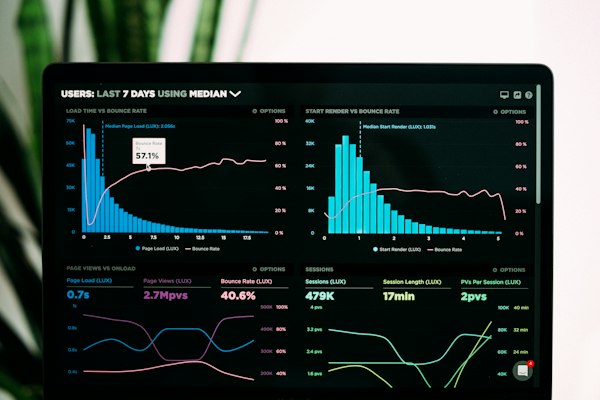
How Accurate Are AI Detectors in 2026? A Deep Dive
AI detection technology has evolved rapidly. We break down the current accuracy rates, where detectors still struggle, and what improvements are on the horizon for 2026 and beyond.
AI Writing in the Workplace: Policies Every Company Needs
From marketing copy to internal reports, AI-generated text is everywhere in the workplace. Here's how companies can set clear policies that balance productivity with transparency.
Inside the Engine: How Paragraph-Level AI Detection Works
Our detector doesn't just give you one score — it analyzes every paragraph. Learn why paragraph-level analysis gives you a clearer, more actionable picture of your text.
Why Content Creators Should Care About AI Detection
Whether you're a blogger, marketer, or freelancer, AI detection matters for your reputation and SEO. Here's how to use detection tools to protect your authenticity and build trust.
The Future of AI and Authorship: What's Next in 2027
As AI models grow more sophisticated and detection technology keeps pace, the definition of 'authorship' is shifting. We explore what's coming next and how to stay ahead.